Project
Design for Maintenance Operations of a Handheld Vacuum Cleaner
A maintenance-focused redesign of the JAP Tornado S1 handheld vacuum cleaner that improves charging, reliability, and everyday usability while keeping the product familiar.
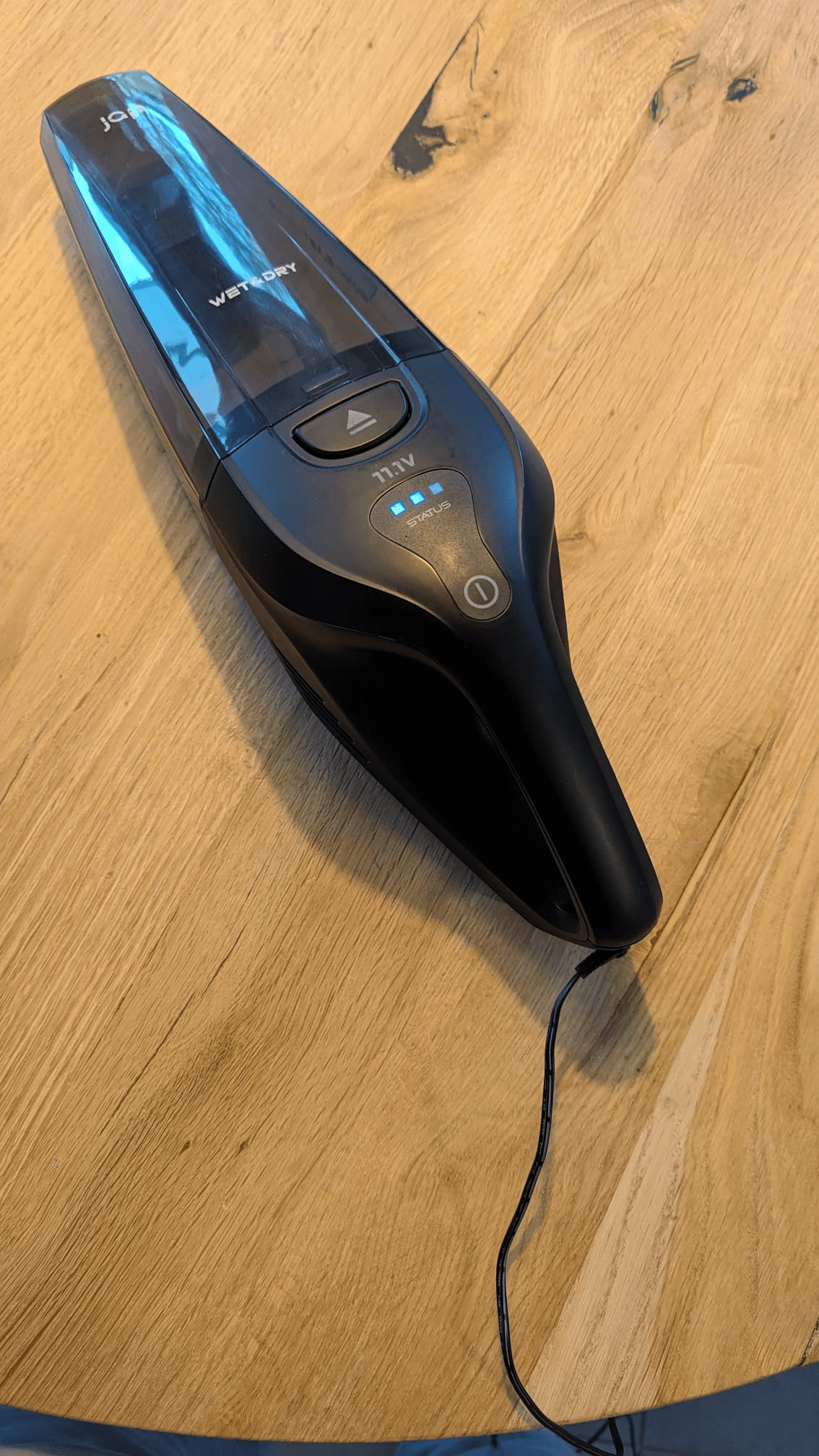
Product
JAP Tornado S1 handheld vacuum cleaner
Method
Reliability analysis and FMEA
Outcome
Improved charging and maintainability concepts
Problem
The vacuum was compact and practical, but its charging and maintenance experience could be made more dependable for repeated daily use.
The project focuses on improving the way the product is docked, charged, and supported over time so it feels more reliable in daily use.
The redesign keeps the core product familiar while improving the parts that matter most when the vacuum is used, stored, and recharged.
Approach
Framework structure
- • Product inspection to identify maintenance-sensitive assemblies.
- • Reliability evaluation to understand where the user experience could fail over time.
- • Failure-mode thinking to rank likely weak points in the charging setup.
- • Redesign of the stand and charging interface to improve usage and serviceability.
Product View
A compact handheld cleaner that can be easier to maintain
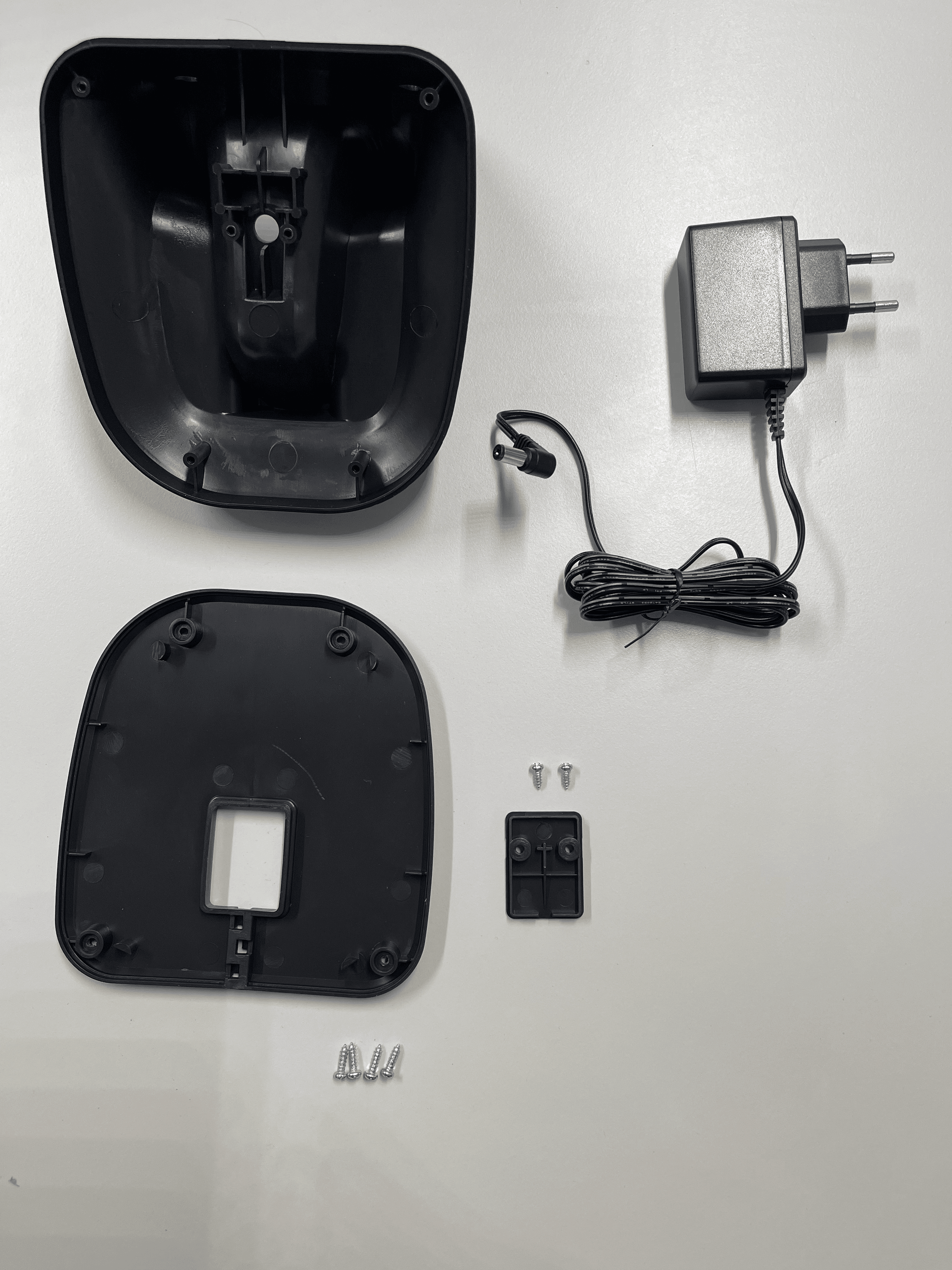
What the assembly view highlights
This assembly view makes the charging interface, component layout, and maintenance-sensitive parts easy to evaluate at a glance.
Performance Cues
Design cues that shaped the redesign
Assessment
Design constraints identified
- • The charging station needed a clearer docking path.
- • A backup charging route would reduce dependence on a single interface.
- • The user experience could be improved by making charging more intuitive.
- • Maintenance actions benefited from a more structured and repeatable setup.
Redesign
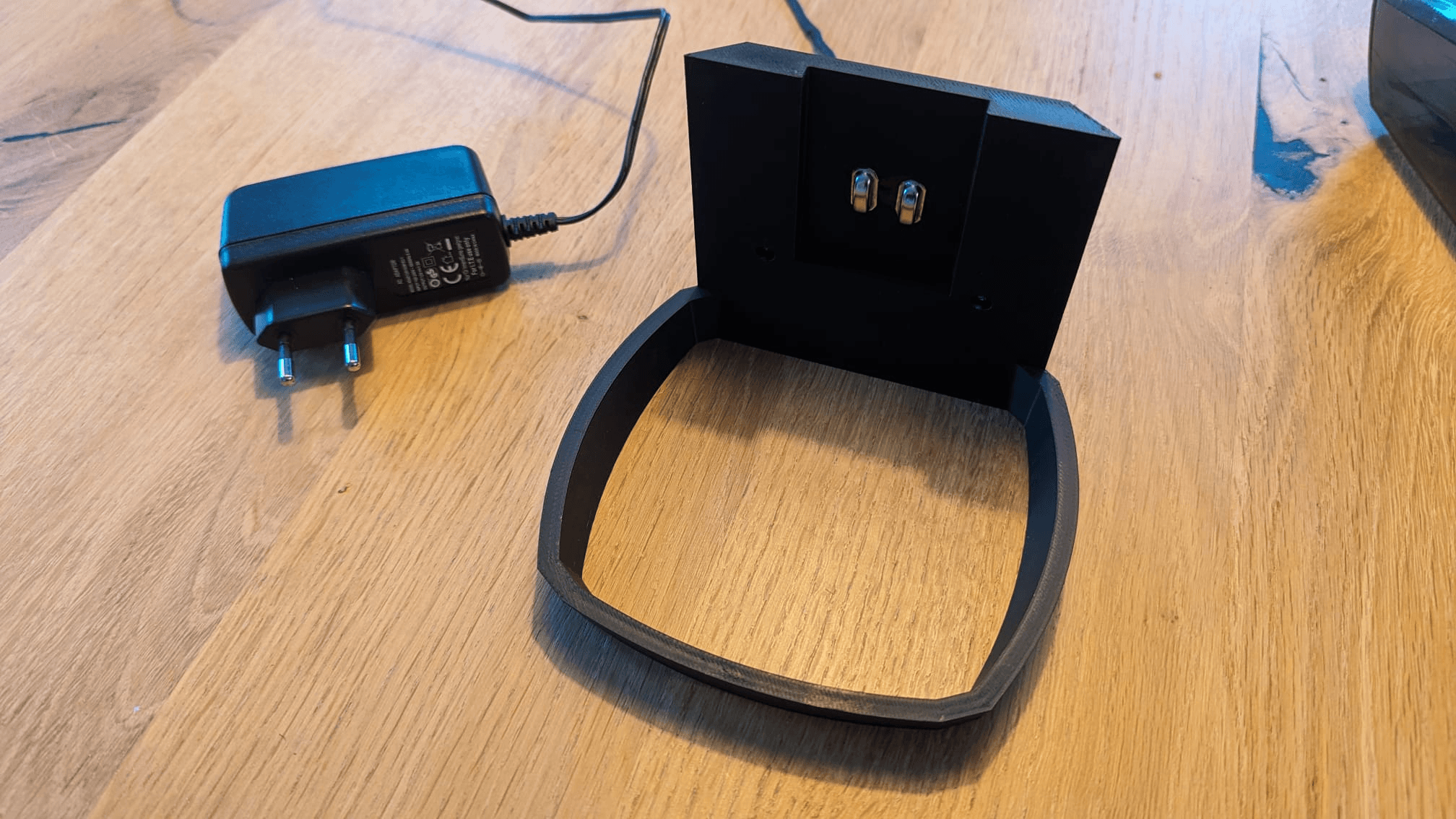
New charging strategy and redesigned stand
Redesign intent
Improve maintenance without complicating use
The redesigned stand guides the vacuum into one clear position, reducing user error and improving docking reliability.
The charging concept uses pogo pins alongside the main connector so the product can still charge if one path is interrupted.
Additive manufacturing was selected for the stand, allowing the geometry to be tuned for fit, alignment, and prototyping speed.
Outcome
What the project delivered
The final direction keeps the product familiar while improving how it is docked, charged, and maintained.
In practice, this makes the vacuum easier to use, easier to recharge, and more resilient in daily use.